Rear-Seat Passenger Seatbelt Fines Is the Driver Liable?
Understanding seatbelt laws can be tricky, especially when it comes to who’s responsible for rear-seat passengers. Here are the main points to remember about fines and liability, tailored for residents of Columbus, Ohio.
Key Takeaways
- Seatbelt laws vary significantly from state to state, affecting who is responsible for fines.
- In most states, drivers are responsible for ensuring passengers under 16 are buckled up.
- Adult passengers (16 and older) are typically responsible for their own seatbelt use.
- Failing to comply with seatbelt laws can result in fines, and sometimes points on a driver’s license.
- Wearing a seatbelt is the most effective way to reduce injury and prevent ejection in a crash.
Understanding State Seat Belt Laws in Ohio
Most, if not all, states have some kind of seat belt laws. Some states are pretty strict, letting police pull you over just for a seat belt violation. These are called ‘primary enforcement’ states. Others, like Ohio, are more relaxed, only allowing a ticket if you’re stopped for something else first.
A driver, as well as a passenger can get a ticket for not wearing a seatbelt. The driver can also be held responsible for passengers that are required to be in a child seat or booster. If you or one of your passengers received a citation, consider reaching out to a Columbus, Ohio traffic ticket attorney to discuss your options.
Variations in Seat Belt Mandates
Not all seat belt laws cover the same people or the same seats. Some states only require front seat passengers to buckle up, while others extend that rule to everyone in the car, including those in the back.
Primary Versus Secondary Enforcement
This is a key distinction. Primary enforcement means an officer can stop you solely because you or your passenger aren’t wearing a seat belt. Secondary enforcement means they have to have another reason to pull you over first, like speeding or a broken taillight, before they can cite you for the seat belt violation. Ohio is currently a secondary enforcement state.
Driver Responsibility for Passengers in Columbus
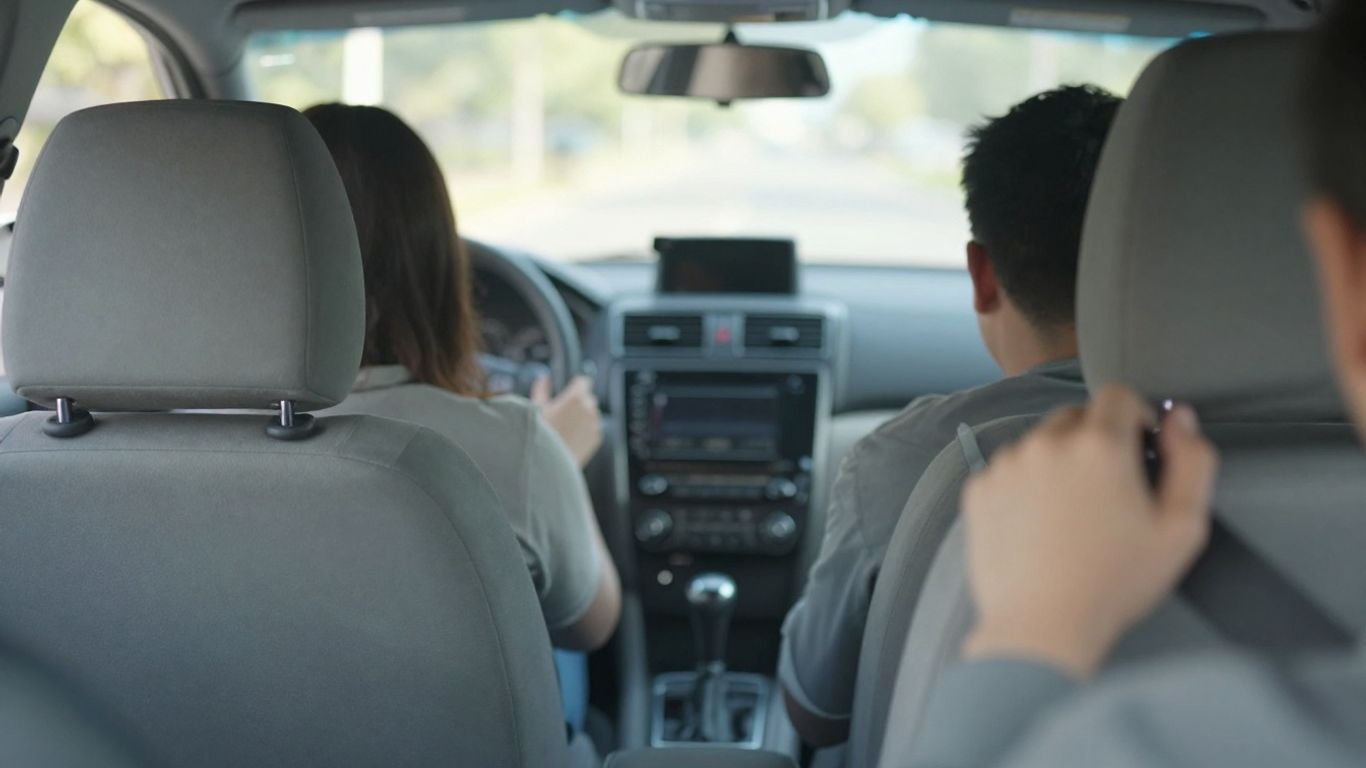
So, you’re driving in Columbus, and you’ve got a car full of people. Who’s responsible if someone isn’t buckled up? The passenger is responsible unless they are required to be in a child restraint or booster seat.
Age-Specific Requirements for Children
When it comes to kids, the rules are usually pretty strict, and for good reason. Most states have specific laws about car seats and booster seats based on a child’s age, weight, and height. It’s not just about a seat belt: it’s about having the right kind of restraint. If you’re the driver and a young passenger isn’t buckled up the way they should be, you could end up with a traffic ticket. Other passengers are typically responsible for their own safety restraint.
Preventing Ejection and Reducing Injury Severity
When a car crashes, things get violent. Without a seat belt, you can be thrown around inside the vehicle, hitting hard surfaces or even being ejected completely. Ejection dramatically increases the chances of serious injury or death. Seat belts keep you secured in your seat, preventing this dangerous movement. They also help distribute the force of a crash across the stronger parts of your body, like your hips and shoulders, rather than more vulnerable areas. This can make a huge difference in the severity of your injuries. For example, using lap and shoulder belts can reduce the risk of fatal injury by about 45% in cars and 60% in SUVs and trucks.
How Seat Belts Distribute Crash Forces
Think of a seat belt as a system designed to manage the energy of a collision. In a crash, your body wants to keep moving at the speed the car was going. The seat belt is there to slow you down, along with the car. The lap belt crosses your pelvis, and the shoulder belt goes across your chest and shoulder. This setup spreads the impact forces over a larger area of your body. This is way better than having all that force hit one spot. It’s a smart design that really works to protect you. Even a lap belt alone is better than nothing, offering a 32% reduction in fatal injury risk for back-seat occupants in cars and 63% in vans and SUVs.
Risks Posed by Unbelted Passengers to Others
Now, here’s something many people don’t consider: an unbuckled passenger isn’t just a danger to themselves. In a crash, a person not wearing a seat belt can become a projectile inside the car. They can hit other passengers, causing injuries to them. This is especially true for those in the front seats who might be hit by someone flying forward from the back. So, when you ask, “Whose responsibility is it to put a seatbelt on?”, the answer is everyone’s, but the driver has a big stake in it because unbuckled passengers can harm others in the car, including the driver.
Frequently Asked Questions
Are there different rules for kids in the back seat in Ohio?
Yes, absolutely. Most states, including Ohio, have strict rules for kids, often requiring them to be in car seats or booster seats until a certain age, weight, or height. These rules are usually more serious, and drivers are responsible for making sure kids are buckled up correctly.
Do all states have the same seatbelt laws as Ohio?
Laws change from state to state. Some states only make you wear a seatbelt in the front seat, while others require it for everyone. It’s a good idea to know the rules wherever you’re driving.
Why are seatbelts so important, especially in the back seat in Columbus?
Seatbelts do a lot more than just keep you from getting a ticket. They help stop you from flying out of the car during a crash, which is super dangerous. They also spread out the force of an impact, making injuries less severe.
Are there any exceptions to seatbelt laws in Ohio?
Sometimes. There are some exceptions for things like medical reasons, or for certain jobs like rural mail carriers. Also, older vehicles that weren’t required to have seatbelts may be exempt.
If you received a traffic ticket in Columbus, Ohio, contact attorney Colin Maher at 614-205-2208 or contact us online.
RECENT POSTS
-
How to request a continuance for a traffic ticket in Ohio?
04 Aug 2026
-
Rear-Seat Passenger Seatbelt Fines Is the Driver Liable?
16 Jul 2026
-
Will My Insurance Increase for an Impeding Traffic Ticket in Columbus Ohio?
15 Jun 2026
-
What Is the Legal Limit for Alcohol in Ohio?
23 Apr 2026
-
Understand Drug Paraphernalia Charges in Ohio
06 Mar 2026
-
How To Dismiss a Traffic Ticket in Columbus, Ohio
04 Feb 2026
BLOG CATEGORIES
-
Expungements
2 Posts
-
News
18 Posts
-
Criminal Defense
45 Posts
-
Traffic
132 Posts
-
Weapons
3 Posts
-
Drugs
23 Posts
-
DUI
197 Posts
-
Current Events
1 Posts