What Can Cause a False Positive Breathalyzer Test
Breathalyzer False Positives: What Can Cause Them Besides Alcohol in Ohio
A false positive alcohol breath test does not prevent you from getting arrested and being hit with fees for processing or releasing your car from impound. In fact, registering a false positive on a breathalyzer practically guarantees you will face those negative consequences, along with possible employment problems if your job requires you to maintain a clean driving record and regularly pass alcohol and drug screenings.
Calculating an overall breathalyzer false positive rate is not possible because police use an array of devices that employ different methods to detect alcohol on a person’s breath. What no one disputes, however, is that every breath testing device and method has a margin of error. Breathalyzers are vulnerable to a margin of error, with studies indicating a potential variance of approximately 15-23% from true BAC.
Generally, a breathalyzer result can only be judged accurate to within .01 of actual blood alcohol concentration. This means that a 25-year-old who registers a BAC of .08 on a breath test could have an actual BAC of .07, which is legal for driving.
False positive breathalyzer results really become a problem for younger drivers and commercial drivers. Ohio sets the following legal limits for different types of drivers:
- .02 for drivers younger than 21
- .04 for truck and bus drivers older than 21
- .08 for drivers older than 21 who use their own vehicles
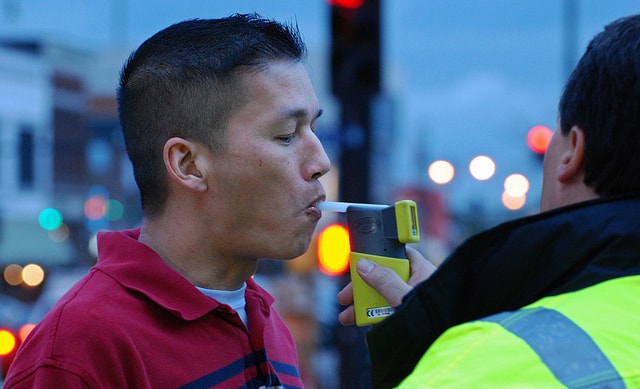
Breathalyzer devices are commonly used by law enforcement to measure blood alcohol content (BAC) during DUI stops, and BAC levels are central to DUI investigations.
Registering the applicable BAC in Ohio is called operating a vehicle while intoxicated (OVI) per se. Regardless of whatever else a police officer or state trooper observed, being at or over the legal limit for BAC warrants a drunk driving arrest and charge. Of course, due to the margin of error, a teenager could have a positive alcohol breath test despite having consumed no alcohol at all. Breathalyzer results are often used by prosecutors as the basis for DUI convictions, and a false positive can lead to serious penalties such as fines, jail time, and a criminal record.
Officers are on the lookout for anyone operating a vehicle under the influence and routinely pull over more drivers than face arrest. Law enforcement officials are trained to look for those who are swerving, driving erratically, or showing signs of intoxication. This helps them gather the reasonable suspicion needed to perform a traffic stop and administer a portable Breathalyzer test. The portable test carried in patrol cars only monitors for the presence of alcohol in your breath and does not provide a reliable enough reading to be accepted in court. A false positive breathalyzer test will still provide officers with enough evidence to charge you with a DUI and arrest you. The officer will take you to the station to process you for drunk driving or release you to a responsible party and still charge you with the offense.
Breathalyzer devices require proper calibration and maintenance to ensure accuracy. Improper maintenance and calibration of breathalyzer devices can lead to inaccurate results, and devices require regular recalibration (often every 10 days or 150 uses) to maintain accuracy.
What besides alcohol can set off a breathalyzer?
So, what besides alcohol can set off a breathalyzer and trigger a DUI/OVI charge? Excuses for “failing” a breathalyzer include keeping your breath fresh, using certain medications, having a medical condition, using an inhaler, and being subjected to testing with a poorly calibrated device. Products like oral gels, breath fresheners, and certain personal care items can also cause false positives. Let’s take a brief look at each category of what can cause a false breathalyzer reading in more detail.
Those who are involved in a traffic stop and blow a false positive breathalyzer test are often faced with the embarrassment of arrest, court costs, and impound fees among others. Before you hit the roads, you should understand the types and cause a false positive on a Breathalyzer test that trigger.
- Breath Spray
- Mouthwashes
- Asthma inhalers (especially those containing albuterol, salmeterol, or budesonide)
- Hot Sauce
- Gum
- Energy drinks
- Over-the-counter drug
- Ripe fruit
- Cold medicine
- Protein bars
- Diet
- Dish
- Fruit and juice
- Honey bun
- Oral gels
- Vanilla extract
- Vinegar
- Cinnamon rolls
- Fermented soda
- Food (including fermented foods and baked goods containing yeast)
- Health conditions (such as gastroesophageal reflux disease (GERD))
- Gastroesophageal reflux disease
- Ketones
- Breathalyzer
The way breathalyzer tests are administered and the presence of various compounds in the mouth or breath can affect results.
In summary, breathalyzer false positives occur due to mouth alcohol, medical conditions, chemical exposure, or improper device calibration.
Common Reasons for a False Positive on a DUI Breathalyzer Test
Mouthwash Often Contain Alcohol
If you swish mouthwash before you leave the house, you may be setting yourself up for a false positive alcohol breath test. Glance at the ingredients next time you use mouthwash and you will learn that mixture has a pretty high alcohol content. Manufacturers are now creating mouthwash and fluoride rinses without alcohol, but you can never be too careful. When you have a high concentration of alcohol in your mouth before you take the test, you are more likely to blow a false positive breath alcohol test. The portable false positive breathalyzer test measures the amount of alcohol in your breath, which can be skewed if you have mouth alcohol in addition to any alcohol you exhale from your lungs. If you are stopped by an officer after recently swishing mouthwash, you should not agree to perform a Breathalyzer test. Contrary to what the officer may tell you, you cannot have your driver’s license suspended for refusing the portable Breathalyzer test at a traffic stop. A trained Madison County, OH DUI attorney can help to clarify exactly what tests drivers must comply with during a traffic stop.
Menthol
Similarly, any mints, gum, cough drops, or tobacco may seem like they would freshen your breath but they can cause a false positive. Some brands have a sugar substitute like sorbitol or menthol, which triggers a false response. Each situation is different, which is why contacting a DUI attorney is always your best option. Not only will a Madison County DUI lawyer know the law, the attorney will understand the very real possibility of false positives and how to defend them in court.
Sugar substitutes and flavorings like sorbitol and menthol in chewing gum and dipping tobacco can also coat the inside of your mouth with surprisingly high amounts of alcohol. The alcohol or alcohol-like substance does not enter your bloodstream in amounts sufficient to cause intoxication and impaired driving, but the fumes will surely get detected by a breathalyzer.
Here, it is worth noting that Ohio gives drivers the right to refuse breath-alcohol tests immediately following a traffic stop. In fact, state and county courts do not recognize the validity of BAC results obtained with portable testing devices. At the same time, a police officer can make the decision to take a driver into custody on suspicion of drunk driving after administering a roadside breath test. Most drivers would be wise to say no when asked to blow into a tube while standing beside their car or truck.
Cough and Cold Meds & Topical Pain Relievers Can Trigger False Positives
Preparations like Anbesol for tooth and gum pain, as well as over-the-counter liquids like Robitussin and Nyquil, can cause people to blow false positives. It would difficult to use any such nonprescription medication in the amounts necessary to get drunk, but the alcohol in the mixtures does stay on one’s breath for a while.
It’s a good idea to avoid driving while taking OTC cough and cold medicines, anyway. Other ingredients besides alcohol can cause drowsiness, which can be interpreted as drunkenness.
Poorly Calibrated Breathalyzers Do Injustices to Drivers
Devices used to test BAC must be serviced regularly and carefully adjusted to the conditions in which they are used. Portable handheld breath-test kits also expire. A lack of proper maintenance and calibration can compromise the accuracy of breathalyzer results. Mistakes by officers, defects in manufacturing, or simply age may cause a device to register higher amounts of alcohol on a person’s breath than is actually in his or her system. Poor equipment calibration can lead to inaccurate breathalyzer results. A false reading would then lead to an unjustified arrest and an unwarranted charge.
One key factor is calibration. If the officer sets the machine incorrectly, he or she may arrest multiple people without trustworthy evidence. Remember that the portable Breathalyzer is a machine that needs regular maintenance and upkeep to maintain its effectiveness. Without routine calibration, officers could make arrests that cannot be backed up in court, often inconveniencing innocent citizens.
A trained Ohio DUI lawyer will understand the science behind the portable Breathalyzer test and know what types of calibration questions to ask. If you suspect you were arrested because of a poorly calibrated portable Breathalyzer test, contact a DUI lawyer to fight for your rights.
Poorly Controlled Diabetes Can Produce False Positive Breath Tests
People who suffer from diabetes often experience a buildup of excess acetone in their bodies. Yes, this is the same chemical in nail polish remover, and it is easily detected by a breath-testing device. Some devices cannot clearly distinguish acetone from alcohol
Medication can Affect Breathalyzer Test
Some medications may cause a false positive Breathalyzer test. Any medication that is applied inside the mouth may contain alcohol that could alter the accuracy of the test. If you use Anbesol to relieve toothache or canker sore pain, you may blow a false positive on a portable Breathalyzer test. The machine will detect the medication rather than your blood alcohol and you could face the inconvenience of arrest and an impounded vehicle.
Be very careful in the winter as many of the treatments for cold and flu symptoms contain alcohol that may cause a false positive Breathalyzer test. This is especially true for cold or flu remedies containing menthol. Be cautious when medicating yourself before you drive. When driving with a cold, you may appear impaired, so officers pulling you over may want to bolster their suspicion by administering a portable Breathalyzer test.
Additionally, diabetics can blow a false positive depending on their blood sugar level. Many diabetics have acetone levels higher than the average non-diabetic, which can cause a false positive when tested. This occurs when an older machine is used that cannot differentiate between alcohol consumed and ethyl alcohol. Factors such as body temperature and physical activities, like hyperventilation or holding your breath, can also influence BAC readings and contribute to false positives. A variety of factors can affect the accuracy of breath test results, leading to potential false positives. Every situation is different so be sure to provide your DUI attorney with as much information as possible so your lawyer can prepare a strong defense.
No matter what can make you fail a breathalyzer besides alcohol, a false positive on a portable Breathalyzer test can cost you time and money. Understanding some of the ways that you can trigger a false positive breathalyzer test will help you know what to do when you are falsely accused of drinking and driving. Your next step is to hire a trusted Madison County, Ohio DUI attorney. With an attorney trained in DUI defense, you can rest well knowing you have a strong defense prepared to rebut any of the false positives that led to your arrest. The science behind a DUI trial can be complex, so put your trust in a DUI defense attorney who understands the intricate nature of DUI law.
If you or someone you know has been accused of false positive on a breathalyzer test, contact The Maher Law Firm today. With years of experience, The Maher Law Firm can act as an effective advocate for your rights. Call 614-205-2208 today or contact us online to for your free consultation.
Consequences of Inaccurate Test Results
Inaccurate breathalyzer test results can have far-reaching legal consequences, especially if a false positive breathalyzer result leads to a DUI conviction. Even a small error in the reading can dramatically impact your life, resulting in criminal charges, license suspension, fines, and a permanent mark on your record. The lining of your stomach and esophagus, as well as certain medical conditions, can play a significant role in skewing breath tests. For example, conditions like acid reflux or gastroesophageal reflux disease (GERD) can cause stomach acid to move up into the mouth, introducing alcohol vapors that may result in an incorrect reading.
Medication use is another important factor that can affect breathalyzer results. Inhalers and other medications, especially those administered orally, can leave residual compounds in the mouth that breathalyzer technology may misinterpret as alcohol. It’s essential to share any relevant health conditions or medication use with the officer administering the test and with your attorney. This information can be crucial in building a legal defense and distinguishing between a true positive and a false positive reading.
The body’s ability to absorb alcohol varies from person to person, and certain health conditions, such as diabetes, can produce ketones that breathalyzer devices may mistake for alcohol. The timing of the test—how long you wait after drinking, eating, or smoking—can also affect the accuracy of breathalyzer readings. Everyday activities, like using breath fresheners or consuming certain foods, can further skew results. Toxicologists and scientific experts often investigate these factors, and their testimony can cast doubt on the reliability of breathalyzer results in court.
Another critical aspect is the maintenance and calibration of testing devices. Breathalyzer technology relies on precise calibration and regular maintenance records to ensure accurate readings. If a device is not properly maintained or calibrated, its results can be challenged as unreliable. Reviewing the administration of the breath test, including how and when it was conducted, can provide a basis for questioning the validity of the evidence.
In court, the consequences of inaccurate test results can be severe, but they also present opportunities for a knowledgeable criminal defense attorney to challenge the prosecution’s case. By investigating medical conditions, medication use, and the reliability of the testing device, your attorney can strengthen your legal defense and potentially achieve reduced charges or even a dismissal. Remember, the burden of proof lies with the prosecution, and any evidence that casts doubt on the accuracy of the breathalyzer test can be used to your advantage.
Ultimately, facing DUI charges based on a false positive breathalyzer result is a serious matter. The science behind breathalyzer technology is complex, and even with advances in accuracy, factors like stomach acid, fumes, and certain medical conditions can still interfere with results. If you are dealing with the consequences of a questionable breathalyzer reading, it is vital to work with a legal team that understands how to investigate and challenge every aspect of your case. By sharing all relevant information and ensuring your rights are protected, you can improve your chances of a favorable outcome in court.
Common Excuses for Failing a Breathalyzer Test
When faced with the reality of failing a breathalyzer test, many individuals resort to offering excuses in an attempt to justify the results or avoid the legal consequences. Here are some of the most common excuses used:
- Mouthwash Use: Some claim that they recently used mouthwash containing alcohol, which can potentially lead to elevated breath alcohol levels. However, this excuse is often scrutinized, as the amount of alcohol in mouthwash is typically minimal and dissipates quickly.
- Food with Alcohol Content: Another excuse is that the individual consumed food containing alcohol, such as desserts or sauces. While it’s true that some foods can contain trace amounts of alcohol, the quantities are generally too small to significantly impact breathalyzer readings.
- Burping or Belching: Some individuals argue that they burped or belched shortly before the breathalyzer test, which may have introduced residual alcohol vapor into their mouth and skewed the results. However, this excuse is generally considered weak, as breathalyzers are designed to measure deep lung air, not just mouth air.
- Medical Conditions: Certain medical conditions, such as acid reflux or diabetes, have been cited as potential causes for false positive breathalyzer results. However, these claims are often met with skepticism and require substantial evidence to be considered valid defenses.
- Faulty Equipment: In some cases, individuals may claim that the breathalyzer equipment itself was faulty or improperly calibrated, leading to inaccurate readings. While equipment malfunctions can occur, law enforcement agencies typically follow strict maintenance and calibration protocols to ensure accurate results.
- Environmental Factors: Exposure to certain environmental factors, such as paint fumes or gasoline vapors, has been used as an excuse for failing a breathalyzer test. However, these claims are generally considered implausible, as the concentrations required to significantly impact the results are typically much higher than what would be encountered in everyday situations.
Questions Regarding the Breathalyzer Test:
- what can throw off a breathalyzer
- what can make you fail a breathalyzer
- what shows up on a breathalyzer test
- what can cause a false breathalyzer reading
- how often are breathalyzers wrong
- what can cause you to blow positive on a breathalyzer
- what can affect a breathalyzer test
- can a breathalyzer detect anything other than alcohol
- what can cause a false high bac
- excuses for failing breathalyzer
- can you fail a breathalyzer without drinking
- will menthol set off a breathalyzer
- how to pass a breathalyzer
- can breathalyzers be wrong
- how long can you blow positive on a breathalyzer
- what medications can cause a false positive for alcohol
- how long will mouthwash affect a breathalyzer
- can medication increase blood alcohol level
- what can make your blood alcohol level high without drinking
Should I Take the Portable Breath Test in Ohio?
If you are pulled over for driving under the influence DUI/OVI, you may be asked to submit to a breath test while on the scene. These portable breath tests (PBT) are not scientifically reliable and cannot be used for or against you in trial. The fact that you refuse the portable breath tests also cannot be used against you in trial.
So why do officers even have them?
Some courts in Ohio allow the results of a PBT to aid the officer in making the decision to arrest. In these areas, the results of the portable breath tests may be used together with all other facts and circumstances to determine probable cause to arrest. If there is not sufficient information to lead a prudent person to believe you were operating a vehicle under the influence, the officer should not arrest you.
Bottom Line
Don’t take it. Since the results can’t be used to help you in trial and the refusal can’t be used against you, why would you take the portable breath test? If you have already been pulled over, asked to get out of your car, and asked to perform field sobriety tests, the officer has likely made up their mind to arrest you. If you take the PBT and fail, they will arrest you. If you take the PBT and pass, they will think it is malfunctioning or you are under the influence of drugs rather than alcohol and still arrest you.
Defense of your DUI charge is a complicated process that involves many lines of defense. It is absolutely imperative that you secure aggressive representation from an experienced Columbus DUI attorney. Legal representation is essential for individuals facing DUI charges, especially when breathalyzer results are in question. At The Maher Law Firm, we offer personalized legal services tailored to your unique circumstances, providing a client-focused and comprehensive approach. A skilled DUI attorney can effectively challenge the validity of breathalyzer test results in court, and an experienced DUI attorney can help challenge the results of a breathalyzer test based on various factors. Call 614-205-2208 now to speak to a lawyer from The Maher Law Firm.
RECENT POSTS
-
What Is the Legal Limit for Alcohol in Ohio?
23 Apr 2026
-
Understand Drug Paraphernalia Charges in Ohio
06 Mar 2026
-
How To Dismiss a Traffic Ticket in Columbus, Ohio
04 Feb 2026
-
Reckless Driving vs. Speeding Tickets Ohio
05 Jan 2026
-
What To Do After a Hit and Run in Columbus, Ohio
22 Sep 2025
-
What Happens If You Hurt Someone in a DUI?
27 May 2025
BLOG CATEGORIES
-
Current Events
1 Posts
-
Expungements
2 Posts
-
News
18 Posts
-
Criminal Defense
45 Posts
-
Traffic
129 Posts
-
Weapons
3 Posts
-
Drugs
23 Posts
-
DUI
197 Posts